Hormonal acne is one of the most frustrating skin concerns to deal with. Unlike regular breakouts, it tends to appear in the same spots — along the jawline, chin, and lower cheeks — and it keeps coming back no matter how many products you try. The good news? With the right routine and the right ingredients, you can calm it down, prevent future flare-ups, and protect your skin barrier at the same time.
Here's a complete, step-by-step skincare routine built specifically for stubborn hormonal acne.
Understanding Hormonal Acne First
Hormonal acne is triggered by fluctuations in androgens (like testosterone), which cause your sebaceous glands to overproduce oil. This excess oil clogs pores, creates the perfect environment for acne-causing bacteria, and leads to those deep, painful cysts that won't budge with a regular spot treatment.
The key difference: hormonal acne requires a systemic approach — not just spot-treating, but regulating oil production, keeping the skin barrier intact, and using anti-inflammatory ingredients consistently.
Morning Routine
Step 1: Gentle Cleanser
Start with a low-pH, gentle foaming or gel cleanser. Avoid anything with sulfates or harsh surfactants — stripping your skin triggers more oil production, which worsens hormonal acne.
Our pick:
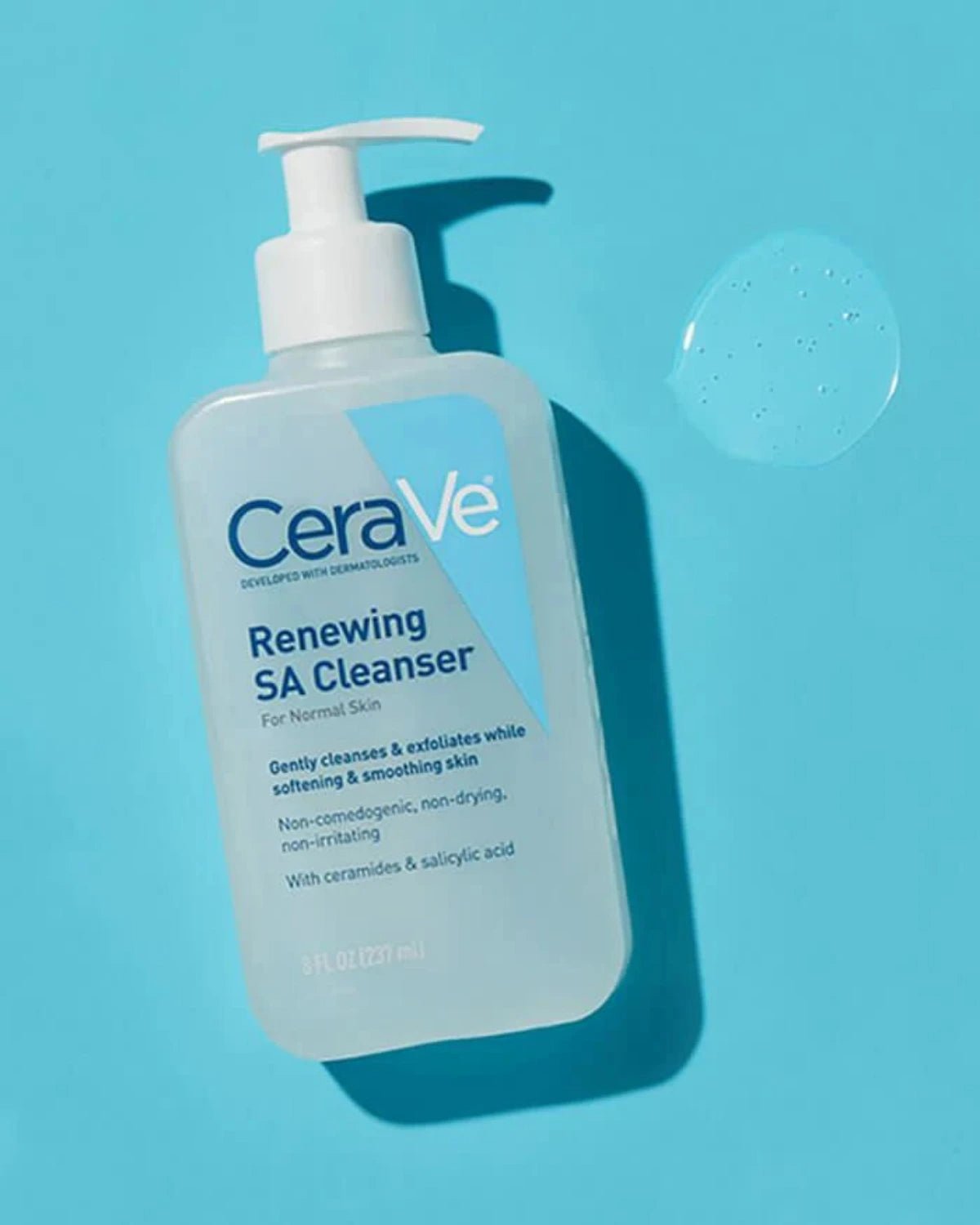
 CeraVe Acne Control Cleanser with 2% Salicylic Acid – 237ml
Salicylic acid penetrates pores to clear congestion while ceramides protect your skin barrier — the ideal combo for hormonal acne.
Step 2: Toner (Hydrating, Not Astringent)
Skip the alcohol-based toners. Instead, use a hydrating toner with niacinamide or hyaluronic acid to prep your skin and begin regulating sebum.
K-beauty tip: The 7-skin method (layering thin toner in multiple pats) works beautifully for acne-prone skin — it hydrates without clogging pores.
Step 3: Niacinamide Serum
Niacinamide (Vitamin B3) is arguably the most important ingredient for hormonal acne. It regulates sebum production, minimizes pores, reduces post-acne redness, and strengthens the skin barrier — all without irritation.
Our picks:
 COSRX Niacinamide 15 Serum 20ml
A high-strength 15% niacinamide serum that visibly reduces pores and controls shine — a K-beauty bestseller for oily, acne-prone skin.
 Anua Niacinamide 10% + TXA 4% Serum 30ml
Combines niacinamide with Tranexamic Acid to tackle both active breakouts and stubborn post-acne dark spots simultaneously.
Step 4: Oil-Free Moisturizer
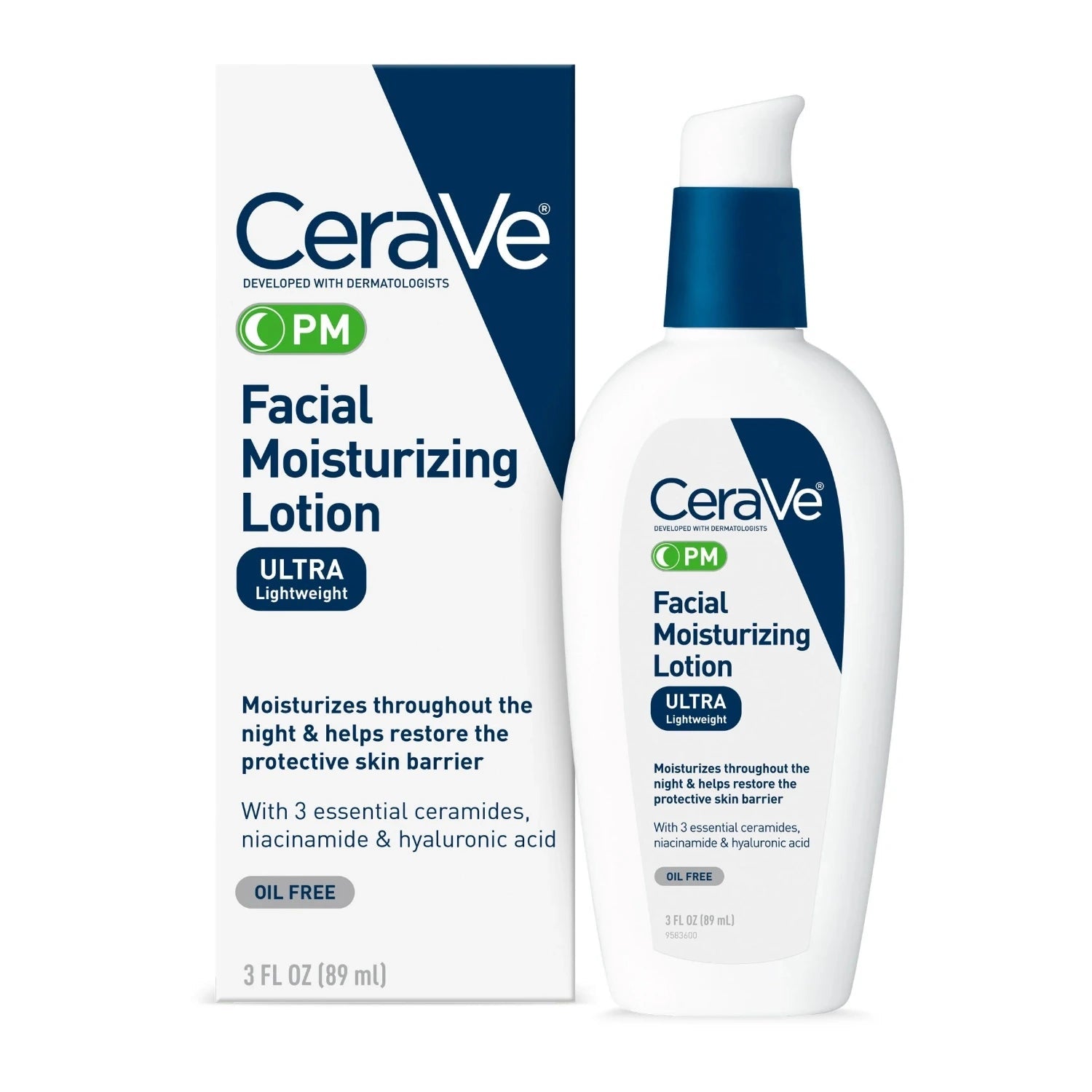
Never skip moisturizer — even oily, acne-prone skin needs hydration. A dehydrated skin barrier overcompensates by producing more oil. Choose a lightweight, non-comedogenic gel moisturizer with ceramides, panthenol, or Centella asiatica.
Step 5: SPF 30–50 (Non-Negotiable)
Sun exposure worsens post-acne hyperpigmentation (PIH) and can inflame active breakouts. Use a broad-spectrum, non-comedogenic sunscreen every single morning.
Our pick:
 La Roche-Posay Anthelios Clear Skin Oil-Free Sunscreen SPF 60
A dermatologist-favourite fluid sunscreen that controls shine, won't clog pores, and provides powerful broad-spectrum protection.
Evening Routine
Step 1: Oil Cleanser (Double Cleanse)
If you wear SPF or makeup, start with an oil cleanser or cleansing balm to dissolve it. Contrary to popular belief, oil cleansers do not cause acne — they emulsify and rinse clean without disrupting your barrier.
Step 2: Gentle Foaming Cleanser
Follow with your morning cleanser to remove any remaining residue. This is the second step of the K-beauty double cleanse method.
Step 3: Exfoliant (2–3x per week)
Chemical exfoliation is far superior to physical scrubs for hormonal acne. Choose between:
-
Salicylic Acid (BHA): Oil-soluble, penetrates pores, ideal for blackheads and clogged pores
-
AHA (Glycolic or Lactic Acid): Resurfaces skin texture and fades PIH
Do not use both on the same night. Alternate based on your skin's needs.
Step 4: Treatment Serum
This is where you target active breakouts and prevent new ones. Retinol, Azelaic Acid, and Centella Asiatica are your best allies. Do not use retinol on the same nights you exfoliate.
Step 5: Moisturizer + Barrier Repair
At night, you can go slightly richer. Look for ceramide-heavy moisturizers or sleeping masks with Centella or Madecassoside to repair the skin barrier while you sleep.
Step 6: Spot Treatment (As Needed)
For active cysts or whiteheads, apply a targeted spot treatment after moisturizer.
Our picks:
 CeraVe Acne Control Gel 40ml
A targeted gel treatment with 2% salicylic acid and niacinamide — works on active spots while keeping the barrier intact.
 COSRX Acne Pimple Master Patch – 24 Patches
The cult-favourite hydrocolloid patch that draws out fluid from whiteheads overnight — zero picking, zero scarring.
Weekly Add-Ons
-
Clay mask (1x/week): Draws out excess sebum from pores — use only on the T-zone if you're combination
-
Sheet mask (2x/week): Centella or green tea sheet masks calm inflammation and boost hydration
Ingredients to Avoid with Hormonal Acne
- Coconut oil (highly comedogenic)
- Alcohol-based toners and astringents
- Heavy occlusive creams (shea butter, lanolin) as primary moisturizers
- Fragrance in leave-on products
- Mixing too many actives at once (retinol + AHA + BHA in one night = barrier damage)
Lifestyle Factors That Matter
No skincare routine can fully override hormonal imbalances. These lifestyle habits make a real difference:
-
Diet: Reduce high-glycemic foods and dairy, which are linked to increased androgen activity
-
Stress management: Cortisol spikes trigger sebum production — prioritize sleep and stress reduction
-
Pillowcase hygiene: Change pillowcases every 2–3 days
-
Hands off: Avoid touching your face — bacteria transfer is real
When to See a Dermatologist
If your hormonal acne is severe, cystic, or not responding to a consistent 8–12 week routine, it's time to consult a dermatologist. Prescription options like topical clindamycin, tretinoin, or oral medications (spironolactone, birth control) can make a significant difference when OTC products aren't enough.
Final Thoughts
Stubborn hormonal acne requires patience, consistency, and the right combination of ingredients — not more products. Build your routine around barrier support, sebum regulation, and targeted actives. Give each product at least 6–8 weeks before judging results, and resist the urge to over-treat.
Your skin is doing its best. Give it the right tools, and it will respond.