Choosing the right sunblock isn't just about picking the highest SPF number. It's about understanding what's inside the bottle — and how those ingredients interact with your skin. Here's a focused breakdown to help you shop smarter.
Types of SPF: A Quick Overview
There are two main categories of sunblock, defined by how they protect your skin:
-
Chemical SPF — Absorbs UV rays and converts them into heat, which is then released from the skin. Lightweight and invisible, but can irritate sensitive skin.
-
Mineral (Physical) SPF — Sits on top of the skin and physically reflects UV rays. Gentler and safer for sensitive skin, though it may leave a slight white cast.
-
Hybrid SPF — Combines both mineral and chemical filters for broad protection with a more cosmetically elegant finish.
Key Ingredients & What They Do
The real story is in the ingredient list. Here are the most common UV filters and what they actually do:
-
Zinc Oxide — A mineral filter that reflects both UVA and UVB rays. The gold standard for sensitive and acne-prone skin. Non-irritating and reef-safe.
-
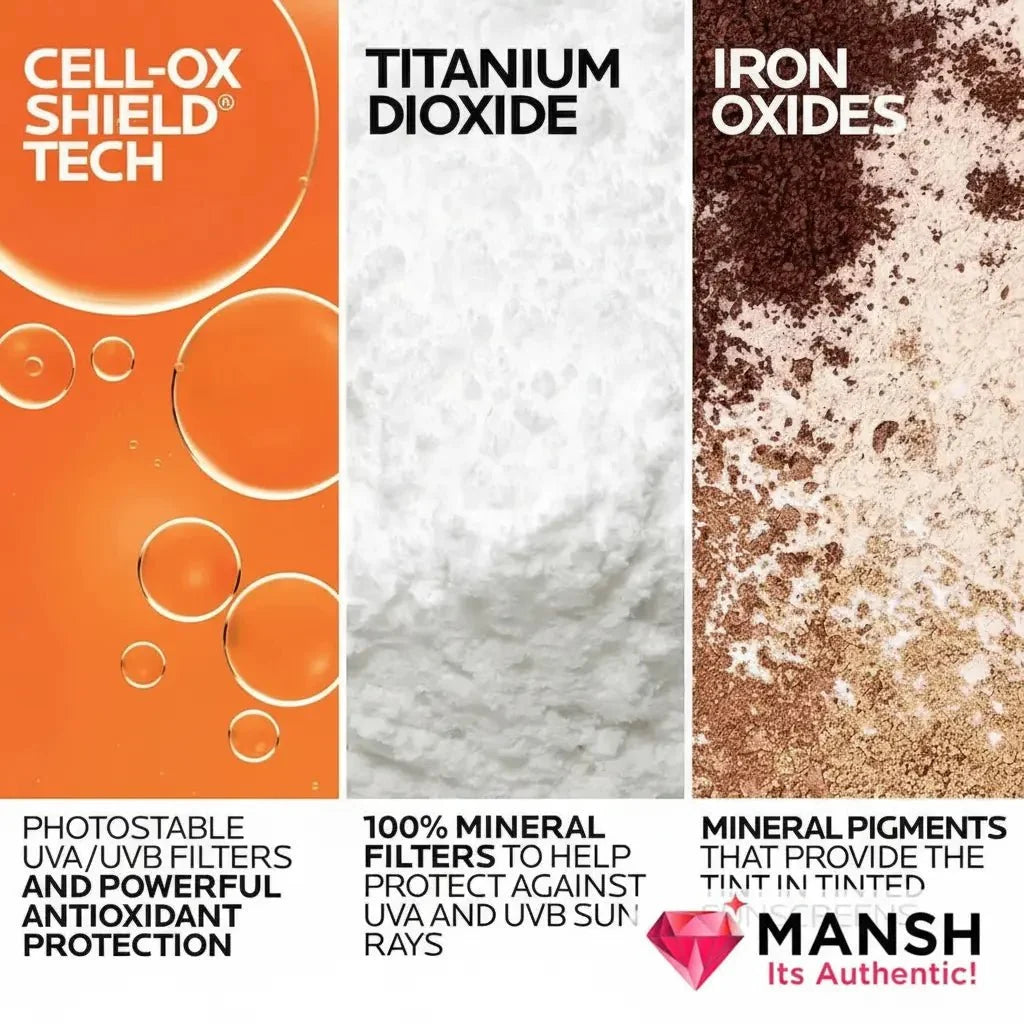
Titanium Dioxide — Another mineral filter, excellent for UVB and short UVA protection. Slightly lighter than zinc oxide but less effective against deep UVA rays.
-
Avobenzone — A chemical filter that targets deep UVA rays. Highly effective but unstable on its own — look for it paired with stabilizers like Octisalate or Bemotrizinol.
-
Tinosorb S (Bemotrizinol) — A next-generation chemical filter with excellent stability and broad UVA/UVB coverage. Common in European and international formulas.
-
Tinosorb M (Bisoctrizole) — Works as both a chemical and physical filter. Highly stable, broad spectrum, and gentle on skin.
-
Octinoxate — A widely used chemical UVB filter. Lightweight but offers no UVA protection on its own.
-
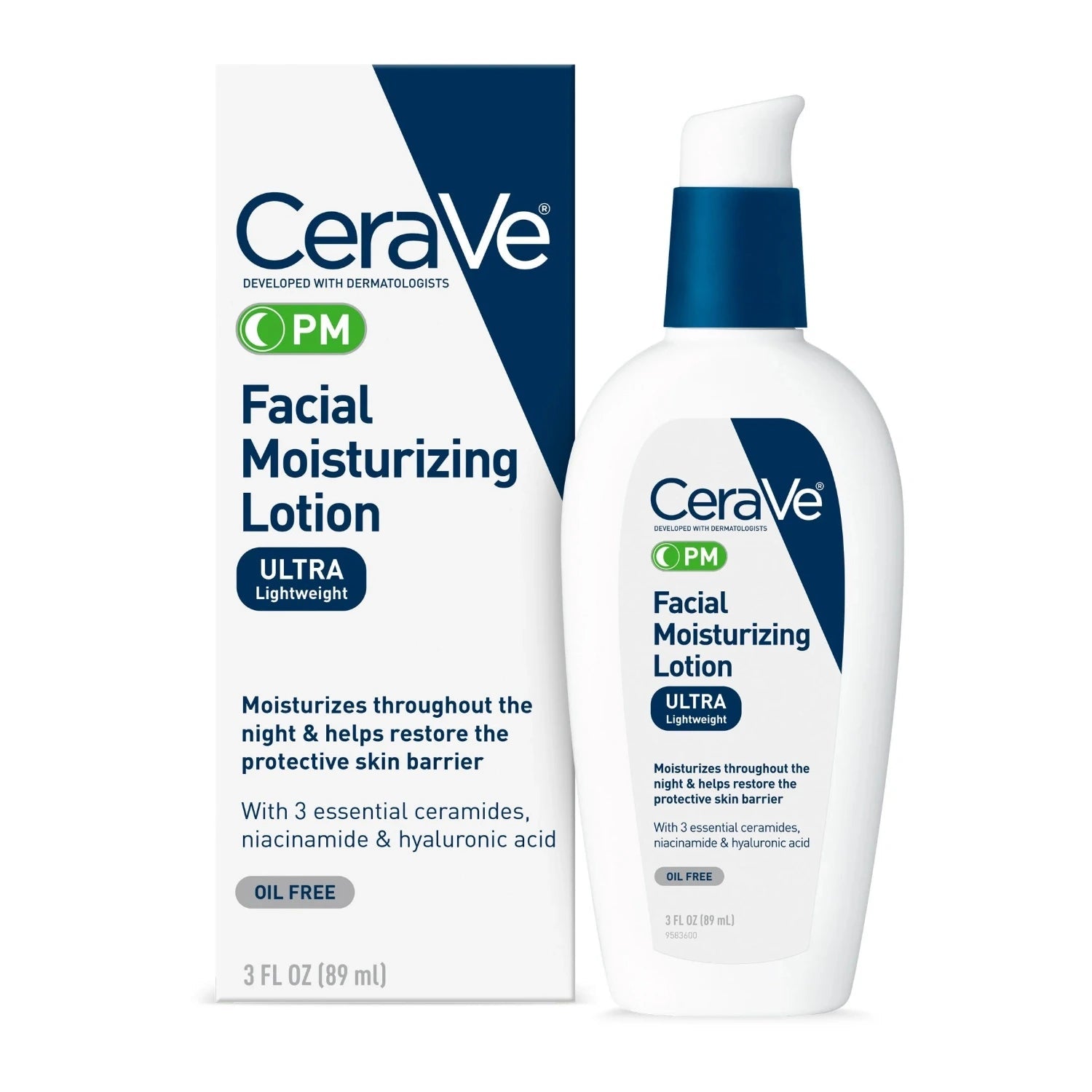
Niacinamide (bonus ingredient) — Not a UV filter, but often added to SPF formulas to control oil, reduce redness, and brighten post-acne marks.
-
Hyaluronic Acid / Ceramides (bonus ingredients) — Added to moisturizing SPF formulas to hydrate and repair the skin barrier — ideal for dry skin types.
Which Ingredient Is Right for Your Skin?
Sensitive or Acne-Prone Skin
Stick to Zinc Oxide and Titanium Dioxide. These mineral filters sit on top of the skin without penetrating it, reducing the risk of irritation, stinging, or breakouts. Avoid fragrances, alcohol, and Oxybenzone.
Oily Skin
Look for lightweight chemical filters like Tinosorb S or Avobenzone in a gel or fluid base. Formulas with added Niacinamide help control shine and minimize pores. Avoid heavy cream textures.
Dry Skin
Choose a Zinc Oxide formula enriched with Hyaluronic Acid or Ceramides. These ingredients protect while actively hydrating and repairing the skin barrier. Cream or lotion textures work best.
Combination Skin
A hybrid SPF (mineral + chemical) in a fluid or lotion texture balances protection without over-drying or over-hydrating. Look for formulas that are oil-free but not alcohol-heavy.
Hyperpigmentation / Dark Spots
Broad spectrum protection is essential — UV exposure worsens pigmentation. Pair your SPF with Niacinamide or Vitamin C in the formula or your serum underneath for a brightening effect.
Our Recommended Sunblocks
Here are four tried-and-tested options available in our store:

Neutrogena Ultra Sheer Dry-Touch Sunscreen SPF 45
A lightweight chemical sunscreen with a dry-touch, non-greasy finish. Ideal for oily and combination skin. Broad spectrum protection with a barely-there feel.

Neutrogena Ultra Sheer Dry-Touch Sunscreen SPF 30
A daily-wear broad spectrum sunscreen with a featherlight texture. Great for normal to oily skin seeking everyday UV defense without heaviness.

La Roche-Posay Anthelios Tinted Mineral SPF 50
A tinted mineral sunscreen with Zinc Oxide and Titanium Dioxide. Perfect for sensitive and acne-prone skin — it evens skin tone while delivering broad spectrum protection with zero irritation.

La Roche-Posay Anthelios Melt-In Milk Sunscreen SPF 100
Maximum protection in a silky, fast-absorbing milk texture. Ideal for dry to normal skin that needs serious daily defense. Broad spectrum SPF 100 with a comfortable, non-sticky finish.
Final Thoughts
The best sunblock is the one that works with your skin, not against it. Focus on the ingredient list, match it to your skin type, and wear it every single day — rain or shine. Sun protection is the single most effective anti-aging and skin-health investment you can make.